Did you know that invasive species contribute to 60% of plant and animal extinctions?
This is because life in each climate grows together over time and develops collaboratively. But when humans (arguably the most intelligent yet most idiotic animal on the planet) transport goods and themselves around the globe, they inadvertently bring back additional cargo, such as coronavirus or the Asian hornet. The sudden introduction of a new species that the local environment hasn’t evolved to deal with can cause huge destruction to a country’s biodiversity. Damn it, humans!
The Asian hornet is in the UK. Why should you care?
The Asian hornet, also known as the yellow-legged hornet, is a large, scary-looking wasp. It is not directly a threat to humans, although the usual caveats apply, such as potential allergic reactions to its potent venom and its natural inclination to attack if it feels threatened. But its role in the destruction of our native wildlife, which affects our local food production, is a concern to all humans.
What do Asian hornets do?
Asian hornets are predatory. They hunt beneficial British insects such as wasps, dragonflies and their favourite: the honey bee.
Once an Asian hornet discovers a hive, or even better a bustling apiary, it will wait near the hive entrance for exiting or returning workers and then strike! The Asian hornet is much larger than the honey bee, so once it has her in its grasp, it easily dices her up and takes her home to feed to its larvae.
What can we do about it?
Since the first sighting in the UK in 2016, the hope was to eradicate the Asian hornet before it became fully established in the country. But the sharp increase in its numbers in 2023 fuelled fears that it might be too late. Things aren’t looking good but the National Bee Unit hasn’t given up so nor should we.
Matt himself is taking action by contributing to an exciting new tool:
BuzzCopper!
At a Harrogate & Ripon Beekeepers Association committee meeting earlier this year, Matt was highly intrigued when the Asian Hornet Action Team Coordinator discussed a new project in the works.
Matt rushed onto the BuzzCopper website to learn more! This is what he found out:
- BuzzCopper is a battery-operated device that a beekeeper sets up inside a bait station made from a drink bottle.
- The device takes photos and uses machine vision to search for shapes that could be insects.
- If it sees what it suspects is an insect, then the specially trained AI kicks in to determine whether this insect is the Asian hornet.
- If it believes there is an Asian hornet present in the bait station, it emails the beekeeper to alert them of the predator on their premises!
You can read more about it on the BuzzCopper website, if you like.
Matt was immediately enthusiastic about the device and got in touch with its creator, Jonathan Semple. BuzzCopper is being developed by a team of volunteers with a variety of skillsets, such as electronics design and 3D printing. Matt has joined them as a software engineer!
Let’s hope it takes off and makes a substantial difference in the fight against this invasive species!
But your help is still invaluable. The more Asian hornets that are detected, the more that can be eradicated. Please join the fight to help protect the UK’s native wildlife. If you spot an Asian hornet or an Asian hornet nest, please take a photo and report it.
Here’s what to look for:
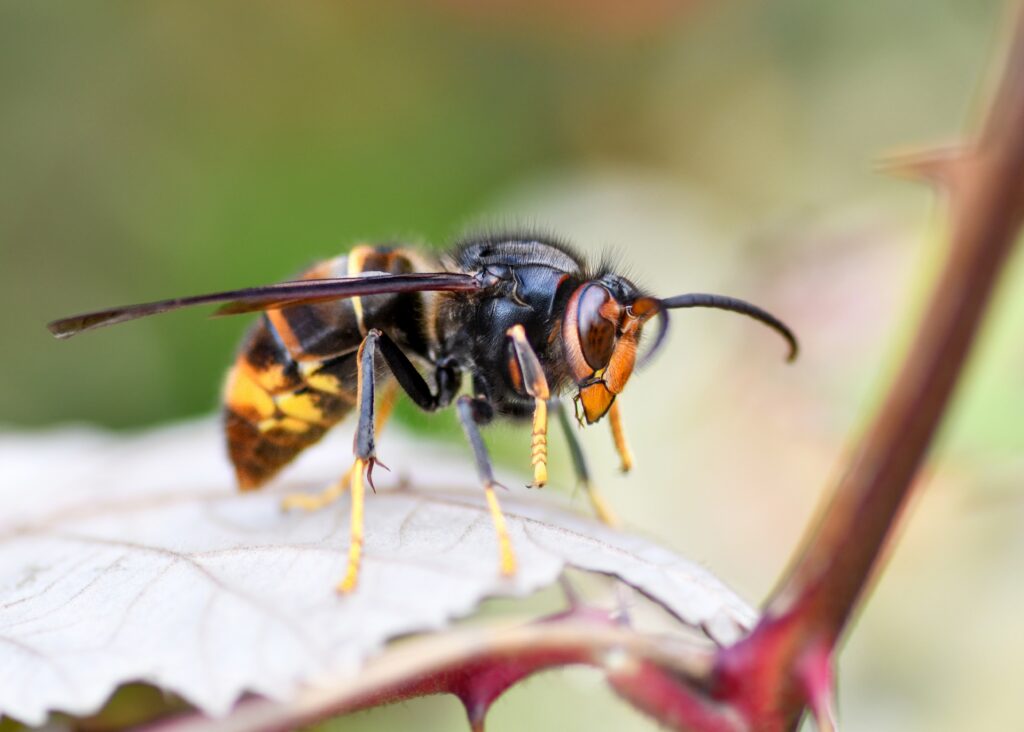
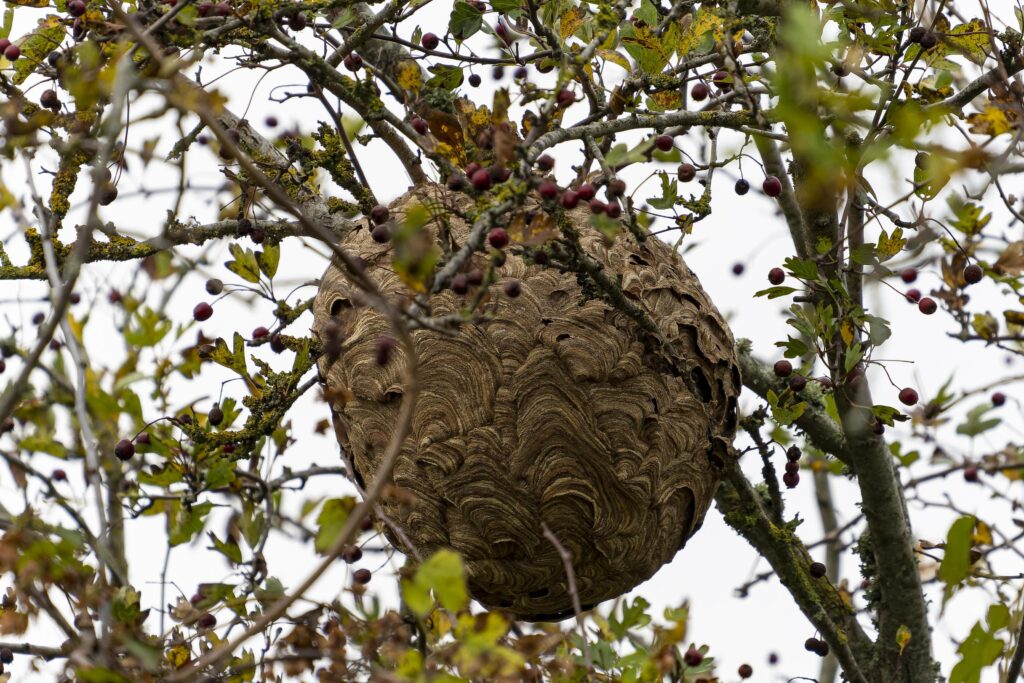
Here’s the online form you need to alert the National Bee Unit: Asian Hornet Alert
Thank you.